Before you sign
Buying a home with halal finance
Interest-free home finance exists in Algeria and is growing. This is how a murabaha works and what a bank will ask of you.
4 min read
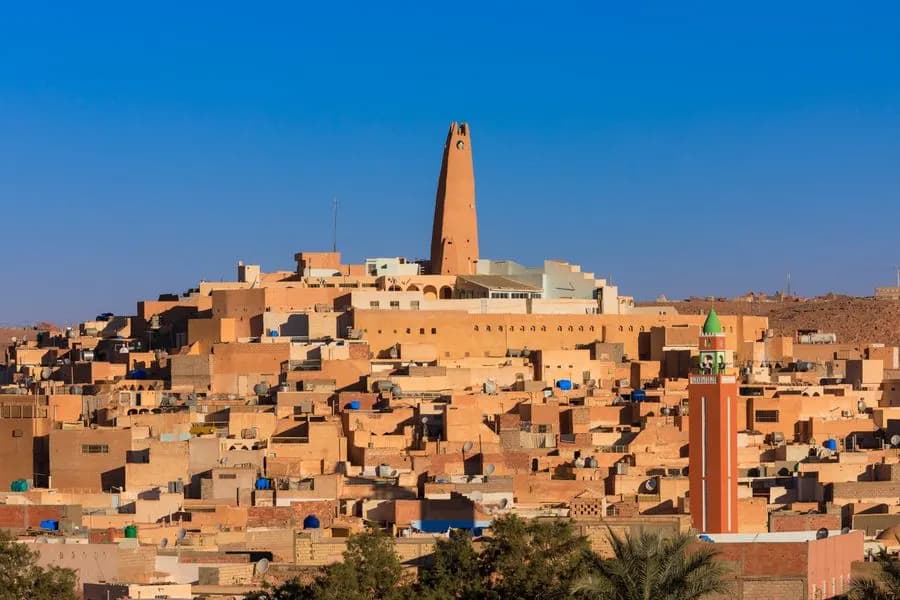
How a murabaha works
You choose the home. The bank buys it and sells it to you at the purchase price plus a margin agreed at signing. You repay that fixed total in equal monthly instalments over the agreed duration.
There is no interest and no rate that moves. What you pay in the first month is what you pay in the last, and the total is known on day one.
Ijara, the other route
The bank buys the home and leases it to you for an agreed period, with ownership passing to you at the end. Less common for homes than the murabaha, but worth asking a bank about if the instalments suit you better.
Who offers it
Islamic banks such as Al Baraka and Al Salam, and the Islamic-finance windows the public banks have opened. Each sets its own margin, maximum duration and conditions, so the same home can cost noticeably different totals from one to the next. Compare the total, not the instalment.
What the bank will ask
Expect to be asked for:
- A down payment, often a fifth of the price or more.
- Proof of income covering the instalment.
- The sale agreement and the deed. A livret foncier makes this simple.
- A property that can be insured and registered in your name.
Estimate before you look
Our estimator models a murabaha from a price, a down payment, a margin and a duration, so you can set a maximum price before the first viewing rather than after falling for a home.
Next step
Estimate your instalmentMore guides
 3 min readWhat you pay on signing dayA monthly rent tells you little in Algeria. This is what actually changes hands when you sign a lease.
 4 min readTitle deeds in Algeria, explainedEvery sale on Buyutkom names its deed. This is what each one means for what you would actually own.
 3 min readHow to check an agencyMost agencies are honest. The habit of checking takes a minute and removes the rest.